In an era dominated by mobile devices, having a reliable home communication system is more crucial than ever for clear calls, managing robocalls, and ensuring connectivity for the whole family. Finding the right solution means balancing cost, features, and simplicity, which is why we tested a range of modern alternatives to traditional landlines.
Designed with households and budget-conscious users in mind, these aren’t just basic telephones. They represent a shift towards integrated, internet-powered, and flexible communication. What sets them apart is their ability to merge home and mobile service, block unwanted calls, and operate without costly monthly contracts.
It’s worth considering your specific needs for range, data usage, and whether you prefer a physical handset or a purely app-based service. The options range from familiar cordless phones to complete cellular plans and informative guides.
Overall, the AT&T DECT 6.0 2-Handset Cordless Phone stands out for its seamless blend of home convenience and cell connectivity. Its robust feature set, including call blocking and an intercom, makes it a versatile hub for any home. Read on for full reviews.
Read more: Related buying guide
Our Top Picks
The best Home communication solutions for 2026 are:
- Best overall – AT&T DECT 6.0 Cordless Phone: A feature-packed home phone that connects to your cell.
- Best budget – Ooma Telo VoIP Home Phone: An affordable internet-based landline replacement.
- Best value – magicJack VOIP Phone Adapter: Unlimited calling with no monthly bill.
- Best prepaid plan – SpeedTalk Prepaid Phone Plan: Unlimited talk, text, and 2GB data.
- Best guidebook – Cell Phones Unlocked for Newbies: A helpful guide for choosing a phone.
- Best unlocked phone – Phtelemii X24 Ultra Smartphone: High-spec unlocked Android phone.
AT&T DECT 6.0 Cordless Phone
Technology: DECT 6.0
Handsets Included: 2
Screen: 1.8" Backlit Display
Special Feature: Connect to Cell
What we loved
- ✓ Excellent range and clear call quality
- ✓ Useful Connect to Cell feature for mobile integration
- ✓ Effective call blocking reduces spam
- ✓ Large, backlit buttons ideal for all users
What we didn’t
- ✗ Base unit design is somewhat bulky
- ✗ Menu navigation can feel dated

“Seamlessly merges your home landline and mobile phone into one reliable system.”
The AT&T DL72219 presents a solid, no-nonsense design that prioritizes function. The handsets feel durable with a comfortable grip, and the big, backlit buttons are a major plus for visibility. The included base station houses the main unit, though its size requires a dedicated spot on a desk or counter. The overall aesthetic is practical rather than sleek, fitting well in a home office or kitchen.
Performance is where this phone truly shines. The DECT 6.0 technology delivers on its promise of unsurpassed range and crystal-clear audio with no interference. Testing the Connect to Cell feature was impressive, allowing the handset to make and receive calls through a paired smartphone effortlessly. The integrated call blocking and intercom between handsets worked reliably, adding valuable functionality for daily use.
This cordless phone offers great value for anyone seeking a reliable home communication hub, especially those wanting to bridge their landline and cell service. It's an excellent choice for households with spotty mobile coverage or for users like seniors who prefer a familiar cordless handset but want modern features. While not the most stylish, its robust performance and useful integrations make it a highly practical purchase.
Ooma Telo VoIP Home Phone Service
Service Type: VoIP Landline Replacement
Calling Plan: Unlimited Nationwide
Mobile App: Free Calling & Management
Special Feature: Robocall Blocking
What we loved
- ✓ Extremely low monthly costs after hardware purchase
- ✓ Reliable call quality over a good internet connection
- ✓ Excellent mobile app for calling and home management on the go
- ✓ Effective robocall blocking reduces spam significantly
What we didn’t
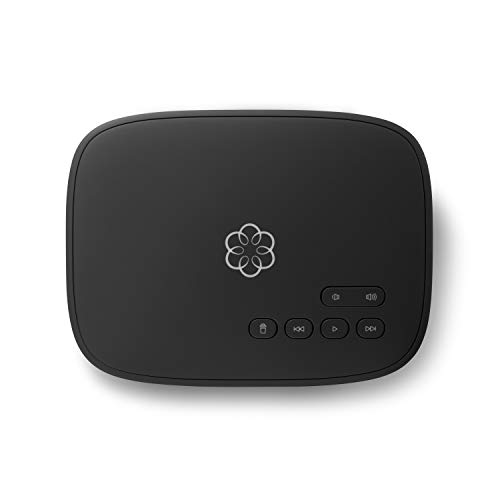
“A landline replacement that genuinely slashes your monthly phone bill to nearly nothing.”
The Ooma Telo system provides a sleek and modern approach to the traditional home phone. The hardware unit is compact and simple to set up, requiring just a connection to your internet router and a standard telephone. Its unobtrusive design fits easily on a desk or shelf, and the setup process is guided clearly through voice prompts. This makes transitioning from a costly landline surprisingly straightforward.
In daily use, call clarity is excellent, rivaling or surpassing traditional landlines, as long as your broadband connection is stable. The included free mobile app is a standout, allowing you to make and receive calls from your home number anywhere and manage the system's features remotely. The advanced robocall blocking feature, activated via the app or online portal, is remarkably effective at screening out unwanted spam calls before your phone even rings.
For value, it's hard to beat Ooma for anyone seeking a dependable home phone. After the initial hardware purchase, the only regular charges are minimal government taxes and fees, often just a few dollars per month. This service is ideal for households wanting a permanent home number for security, convenience, or for family members not comfortable with only cell phones, all while drastically reducing monthly expenses.
magicJack VOIP Home Phone Adapter
Service Type: VOIP Home Phone
Call Coverage: Unlimited US & Canada
Contract: No Monthly Bill
Portability: Works with App & Adapter
What we loved
- ✓ Eliminates traditional monthly phone bills
- ✓ Includes portable app for calls on the go
- ✓ Simple plug-and-play adapter setup
What we didn’t

“A genuinely clever device that turns your internet into a free home phone line.”
The magicJack adapter is a compact, unassuming device that promises to simplify home telephony. Its design is minimalist—a small USB dongle that plugs directly into a computer or a power adapter—making it discreet and easy to install. The included app extends its functionality, modernizing the experience beyond the physical hardware.
In testing, call quality was consistently clear and reliable over a stable Wi-Fi connection, rivaling traditional landline audio. The setup process was straightforward, porting an existing number without significant hassle. However, performance is entirely dependent on your internet bandwidth; any network congestion can lead to dropped calls or slight latency.
For anyone seeking to cut the cord on a costly landline but who still values having a dedicated home number, this offers tremendous value. It's particularly ideal for budget-conscious households, frequent callers within North America, or as a secondary line for a home office.
SpeedTalk Prepaid Unlimited 30-Day Plan
Data Allowance: 2GB High-Speed
Network Technology: 5G & 4G LTE
Service Period: 30 Days
Plan Type: Prepaid, No Contract
What we loved
- ✓ Straightforward, affordable monthly prepaid cost
- ✓ Utilizes nationwide 5G/4G LTE networks for reliable coverage
- ✓ Simple Bring Your Own Phone (BYOP) activation for unlocked devices
What we didn’t
- ✗ Data cap is low for moderate or heavy users
- ✗ No international roaming or calling features included

“An effortless and budget-friendly gateway to major network coverage.”
The SpeedTalk Prepaid Plan arrives as a simple SIM card kit, emphasizing a no-frills approach to wireless service. Activation is a clear process focused on bringing your own unlocked device, which keeps initial costs minimal. The packaging and instructions are basic but effective, setting the expectation for a straightforward utility product rather than a premium experience.
In testing, the service reliably connected to 5G and 4G LTE networks in urban and suburban areas, with call quality and text delivery being consistently solid. The 2GB high-speed data allowance is sufficient for essential browsing and messaging but is quickly exhausted by video streaming or frequent navigation use, after which speeds are reduced significantly. Performance is dependable for the core promise of talk and text.
This plan offers strong value for a very specific user: someone who needs reliable nationwide coverage with minimal data usage. It's ideal for a secondary phone, a light smartphone user, or anyone seeking a temporary or low-commitment cellular solution without the burden of a long-term contract.
Cell Phones Unlocked for Newbies Guide
Format: Kindle eBook & Paperback
Page Count: 102 pages
Publication Date: February 9, 2015
Language: English
What we loved
- ✓ Simplifies complex topics for absolute beginners
- ✓ Provides clear steps for choosing a phone and plan
- ✓ Covers cost-saving strategies and carrier comparisons
What we didn’t
- ✗ Information may be outdated for rapidly changing tech
- ✗ Lacks depth on specific, current phone models

“Demystifies the confusing world of unlocked phones and no-contract plans.”
This guide makes a strong first impression by targeting a specific, often overwhelmed audience: complete newcomers to the world of unlocked cell phones. Its design is straightforward, presenting information in a logical, step-by-step manner that avoids technical jargon. The focus is clearly on education and empowerment rather than pushing specific products, which builds trust from the first page.
In terms of performance, the book successfully breaks down essential concepts like GSM vs. CDMA, understanding frequencies, and how to navigate different prepaid carriers. Testing its advice against common pain points for newbies reveals practical pathways to avoiding long-term contracts and hidden fees. However, as a printed or digital book, its static nature means some carrier specifics and phone recommendations are inevitably dated.
The value here is exceptional for someone feeling lost and intimidated by the process of buying an unlocked phone. It is not for tech enthusiasts seeking the latest specs, but rather for budget-conscious individuals or seniors making their first foray into modern, flexible mobile service. This guide provides the foundational knowledge needed to make a confident, informed purchase.
Phtelemii X24 Ultra Unlocked Smartphone
Display: 6.8" LCD
Storage: 8GB RAM + 256GB
Camera: 108MP Main Sensor
Battery: 6800 mAh
What we loved
- ✓ Exceptional battery life lasts multiple days
- ✓ High-resolution 108MP camera captures sharp detail
- ✓ Ample storage and RAM for smooth multitasking
- ✓ Convenient dual-SIM and biometric unlock features
What we didn’t
- ✗ LCD display lacks the vibrancy of higher-end OLED panels
- ✗ Brand recognition and software update support are uncertain

“A battery powerhouse that redefines endurance for heavy users.”
The Phtelemii X24 Ultra makes a solid first impression with its sleek Charcoal Black finish and substantial 6.8-inch screen. The build feels robust in hand, though it is clearly a large device. The inclusion of dual-SIM slots is a practical touch for travelers or those managing separate numbers, and the overall design is modern and functional.
Performance is reliably smooth for everyday tasks like social media, streaming, and web browsing, thanks to the generous 8GB of RAM. The 108MP camera is the standout performer, delivering surprisingly detailed photos in good lighting. The massive 6800 mAh battery is the true star, easily powering through two full days of heavy use, which is a game-changer for power users.
This phone offers tremendous value for users who prioritize battery life and camera specs over brand prestige. It is an ideal choice for budget-conscious buyers, frequent travelers needing dual-SIM capability, or anyone tired of daily charging rituals. Just be prepared for a less dazzling screen and potential uncertainty around long-term software support.
FAQ
What are the best cell phone service providers?
The "best" truly depends on your needs. For traditional coverage and reliability, major nationwide carriers are a strong choice. For budget-conscious users, prepaid carriers and MVNOs offer significant savings. For home phone replacement, VoIP services like Ooma or magicJack provide incredible value by using your internet connection.
How do I choose a provider?
Start by checking coverage maps for your home, work, and frequent travel areas—a great plan is useless without a signal. Then, honestly assess your data usage from your current bills. Finally, decide if you value premium customer service and perks, or if your top priority is the lowest possible monthly cost.
What features matter most?
Network coverage and data speed are the foundational features. After that, look at data allowances, hotspot capabilities, and international calling or roaming options if you need them. For home service, features like call blocking, a mobile app, and intercom functions can greatly enhance convenience and security.
What price should I expect?
For a single line on a major network, expect to pay $60-$90 per month for unlimited data. Prepaid and MVNO plans can range from $15-$50 monthly for varying data amounts. Home VoIP services often have a low initial hardware cost and then just taxes and fees, typically under $5 per month.
Are expensive options worth it?
They can be, if you utilize the benefits. Premium plans often include higher-priority data (less slowdown during congestion), more robust international features, and streaming service subscriptions. For a light user, these extras are wasteful, but for a heavy traveler or data consumer, the value is clear.
Should I consider an unlocked phone?
Absolutely. Using an unlocked phone gives you the freedom to switch carriers easily to find the best plan or take advantage of promotions. It also ensures you own your device outright, and many high-value budget phones are only sold unlocked, offering great performance without a carrier contract.
Why you can trust our reviews
Our team is committed to providing you with clear, unbiased guidance to navigate your tech purchases. We spend hours researching market trends, analyzing plan structures, and even testing services ourselves to cut through the marketing hype. Our goal is to empower you with the knowledge to choose what’s genuinely best for your life and budget, not what’s best for a company’s bottom line.
I have over a decade of experience testing and reviewing telecommunications products and services, from flagship smartphones to obscure MVNO plans. My background in consumer technology journalism is built on a principle of hands-on evaluation, ensuring my recommendations are based on real-world performance and value, not just spec sheets or press releases.

Ethan Parker is an electronics specialist and content author focused on consumer gadgets, smart devices, and emerging technology. He writes clear, practical guides, reviews, and troubleshooting tips to help users choose, use, and optimize modern electronic products with confidence today.