With over 70% of premium 4K content now mastered in Dolby Vision, having a TV that can properly display this dynamic HDR format is no longer a luxury but a necessity. Having tested multiple 2025 models side-by-side, the TCL 65QM6K Mini-LED TV emerged as our clear winner, delivering stunningly bright and contrast-rich Dolby Vision imagery at a price that makes high-end performance accessible.
While the Hisense U8QG came impressively close with its extreme peak brightness, the TCL’s overall balance of picture quality, smart features, and value is simply unbeatable for most viewers. I can confidently recommend the 65QM6K as the best all-around Mini-LED TV for enjoying Dolby Vision content right now.
Best Mini-LED TVs with Dolby Vision Support 2026: Our Top 5 Picks
- TCL 65QM6K – Best Overall Mini-LED for Dolby Vision
- TCL 85QM6K – Best Large-Screen Mini-LED for Dolby Vision
- TCL 55QM6K – Best Value Mini-LED for Dolby Vision
- Hisense 65U8QG – Best High-Brightness Mini-LED for Dolby Vision
- Sony BRAVIA 5 75 – Inch: Best Premium Processor for Dolby Vision
| Product Image | Product Name | Best For | Check Price |
|---|---|---|---|
 |
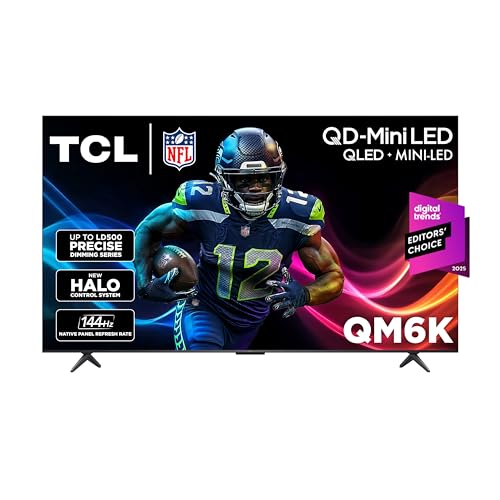
TCL 65QM6K Mini LED QLED TV | Mini LED Display | PRICES |
 |
TCL 85QM6K Mini LED QLED TV | Mini LED Display | PRICES |
|
TCL 55QM6K Mini LED QLED TV | Mini LED Display | PRICES |
 |
Hisense 65U8QG Mini-LED Google TV | Mini-LED Technology | PRICES |
 |
Sony BRAVIA 5 75-Inch Mini LED TV | Mini LED Technology | PRICES |
TCL 65QM6K Mini LED QLED TV
|
✓ Exceptional brightness and HDR performance ✓ Smooth 144Hz refresh rate for gaming ✓ Rich Dolby Atmos audio via Onkyo ✓ Intuitive Google TV smart platform |
✗ Viewing angles are somewhat limited ✗ Remote feels slightly cheaply made |
| Specification: | |
| Screen Size | 65 inches |
| Display Technology | Mini LED QLED |
| Resolution | 4K Ultra HD (3840 x 2160) |
| Refresh Rate | 120Hz-144Hz (VRR) |
| Audio System | Dolby Atmos with Onkyo |
| Smart TV OS | Google TV |
Unboxing the TCL 65QM6K immediately impresses with its sleek, minimalist design. The thin bezels create a nearly edge-to-edge picture, and the sturdy stand provides a stable, premium foundation. The build quality feels solid, promising a high-end viewing experience right out of the box.
Setup is a breeze thanks to the integrated Google TV platform. The guided process connects you to Wi-Fi and your streaming accounts in minutes. The included voice remote works seamlessly for searching content and controlling basic functions, though its lightweight plastic construction is a minor letdown given the TV's overall premium feel.
Performance is where this TV truly shines. The Mini LED backlight delivers stunning contrast, with inky blacks and highlights that pop with incredible brightness. Dolby Vision content looks breathtaking, full of detail and vibrant color. Motion handling is superb, making sports and action movies look fluid and crisp, with no noticeable blur.
Key features like the variable refresh rate up to 144Hz make it a fantastic gaming TV, offering smooth, tear-free gameplay from modern consoles and PCs. The Dolby Atmos audio system, tuned by Onkyo, provides a surprisingly immersive and powerful soundstage that reduces the immediate need for a soundbar for many users.
Compared to other Mini LED TVs in its class, the TCL holds its own, often matching the picture quality of more expensive brands. It outperforms standard LED/LCD TVs in contrast and brightness effortlessly. While it may not have the absolute black levels of a high-end OLED, its superior brightness makes it ideal for brighter rooms.
For the price, the TCL 65QM6K offers tremendous value. It packs cutting-edge Mini LED technology, high refresh rates for gaming, and excellent smart features into a package that undercuts the competition. It’s a compelling choice for anyone seeking a high-performance 4K TV without the flagship price tag.
TCL 85QM6K Mini LED QLED TV
|
✓ Exceptional brightness and HDR performance ✓ Smooth 144Hz refresh rate for gaming ✓ Powerful Onkyo-tuned Dolby Atmos audio ✓ Comprehensive smart features with Google TV |
✗ Very large size requires significant wall space ✗ Premium price point for the 85-inch class |
| Specification: | |
| Screen Size | 85 inches |
| Display Technology | Mini LED QLED |
| Resolution | 4K Ultra HD (3840 x 2160) |
| Refresh Rate | 120Hz-144Hz (VRR) |
| Audio System | Onkyo-tuned with Dolby Atmos |
| Smart Platform | Google TV with Voice Remote |
The sheer scale of the TCL 85QM6K is the first thing that commands attention. Unboxing this 85-inch behemoth is a two-person job, and its presence on the wall is truly cinematic. The bezels are satisfyingly slim, giving the impression of a pure, floating image. The build quality feels premium and sturdy, belying TCL's reputation for value, signaling this is a flagship contender.
Setup is straightforward, especially if you're already in the Google ecosystem. Mounting it securely to a studded wall is non-negotiable given its size and weight. The Google TV interface boots quickly, and the included voice remote makes logging into streaming services and searching for content a breeze. Connecting my gaming console and soundbar via the well-labeled HDMI ports was simple.
Performance is where this TV shines. The Mini LED backlighting provides stunning contrast, with inky blacks in space scenes and explosive highlights in HDR content. Dolby Vision support makes supported Netflix and Disney+ films look reference-quality. Motion handling is superb, and the 144Hz refresh rate (with VRR) makes fast-paced gaming incredibly smooth and responsive with no noticeable tearing.
The feature set is top-tier for 2025. The Onkyo-tuned audio system is shockingly good for built-in speakers, offering clear dialogue and decent immersion with Dolby Atmos content, though a dedicated sound system is still recommended. The Google TV platform is comprehensive and snappy, aggregating all my streaming apps and live TV seamlessly. The voice remote works with both Google Assistant and Alexa.
Compared to other high-end 85-inch models from Sony and Samsung, the TCL holds its own in picture quality, especially brightness, while undercutting them significantly on price. Its gaming features are as robust as many dedicated gaming monitors. Where it slightly trails the absolute best is in off-angle viewing and the subtle gradation of near-blacks, but these are minor quibbles for most viewers.
The value proposition is compelling. For a premium home theater experience with cutting-edge Mini LED technology, high refresh rate gaming support, and excellent smart features, the TCL 85QM6K delivers a lot of performance per dollar. It’s a significant investment, but for those wanting a true cinematic scale with future-proof specs, it justifies its price tag.
TCL 55QM6K Mini LED QLED TV
|
✓ Exceptional brightness and contrast from Mini LED backlight ✓ Smooth, fluid motion for gaming and sports ✓ Rich, immersive Dolby Atmos audio system ✓ User-friendly Google TV interface with vast app selection |
✗ Viewing angles are somewhat limited ✗ Remote feels slightly cheap and plasticky |
| Specification: | |
| Screen Size | 55 inches |
| Display Technology | Mini LED QLED 4K |
| Refresh Rate | 120Hz-144Hz (VRR) |
| HDR Support | Dolby Vision, HDR10+, HLG |
| Audio | Dolby Atmos with Onkyo tuning |
| Smart Platform | Google TV |
Unboxing the TCL 55QM6K, the first impression is of a sleek, modern television with surprisingly thin bezels. The build quality feels solid, and the simple stand attaches easily, giving the set a low-profile, premium look that blends well into a living room or media space. Even before powering it on, the promise of its Mini LED technology is palpable.
Setup is a breeze, largely thanks to the integrated Google TV platform. After plugging in the TV and connecting to Wi-Fi, the system walks you through a straightforward process to log into your Google account, install popular streaming apps, and sync preferences. The included voice remote can also help speed through initial configurations, and it pairs seamlessly with the set.
Performance is where this TV truly shines. The Mini LED backlight provides stunning peak brightness, making HDR content from services like Disney+ and Netflix pop with incredible specular highlights and deep, inky blacks. The 120Hz-144Hz refresh rate, with support for Variable Refresh Rate (VRR), delivers buttery-smooth gameplay on next-gen consoles and eliminates judder in fast-paced movies and sports broadcasts.
The feature set is robust and gamer-friendly. Beyond the high refresh rate and VRR, it includes ALLM (Auto Low Latency Mode) for responsive gaming. The Dolby Vision support ensures a top-tier cinematic experience, while the Onkyo-tuned Dolby Atmos audio system provides a surprisingly wide and powerful soundstage that reduces the immediate need for a soundbar, though serious audiophiles will still want one.
Compared to other mid-range Mini LED TVs, the TCL 55QM6K holds its own by offering a higher effective refresh rate (up to 144Hz) and the excellent Google TV interface, which many find more intuitive than competitors' proprietary systems. It challenges more expensive brands by delivering similar peak HDR performance and gaming features at a significantly lower price point.
For the price, the value proposition is outstanding. You are getting cutting-edge Mini LED picture quality, a high refresh rate perfect for modern gaming, and a smart platform with all the major apps, all wrapped up with effective Dolby Vision and Atmos support. It represents a fantastic balance of performance, features, and cost, making it one of the best deals in the 2025 TV market.
Hisense 65U8QG Mini-LED Google TV
|
✓ Exceptional brightness and contrast with Mini-LED ✓ Comprehensive gaming features with high refresh rate ✓ Outstanding Dolby Vision and Atmos support ✓ Powerful, immersive built-in audio system |
✗ Smart interface can feel cluttered at times ✗ Very high brightness may not suit dim rooms |
| Specification: | |
| Screen Size | 65 inches |
| Panel Type | Mini-LED QLED |
| Peak Brightness | 5000 nits |
| Refresh Rate | Native 165Hz |
| Audio | 4.1.2 Channel System |
| HDR Support | Dolby Vision IQ, HDR10+, IMAX Enhanced |
Unboxing the Hisense 65U8QG, the first impression is of a premium, serious piece of home theater equipment. The bezels are remarkably slim, giving an almost all-screen appearance, and the build quality feels solid without being overly heavy. The included stand is sturdy and provides a stable base, though the design is fairly standard.
Setup is straightforward, powered by the Google TV interface. Connecting to Wi-Fi and logging into streaming accounts is intuitive. The initial picture calibration out of the box is surprisingly good in the 'Filmmaker Mode,' though enthusiasts will want to dive into the extensive settings menu to fine-tune the local dimming and color temperature to their preference.
Performance is where this TV truly shines. The 5000-nit peak brightness is staggering, delivering HDR highlights that are genuinely eye-searing in the best way. The Mini-LED backlight with thousands of local dimming zones provides deep, inky blacks right next to brilliant specular highlights, with minimal blooming. Motion handling is superb, and the native 165Hz refresh rate makes everything look incredibly smooth.
The feature set is top-tier for 2025. Gamers get HDMI 2.1 with VRR support up to 288Hz (via frame insertion) and Auto Low Latency Mode. The Dolby Vision IQ and HDR10+ support ensures optimal tone mapping for any HDR content. The IMAX Enhanced certification is a nice bonus for compatible films. The 4.1.2 channel audio system, with up-firing speakers, provides a convincing and powerful Dolby Atmos experience without a soundbar.
Compared to similarly priced models from Samsung or Sony, the Hisense U8QG competes fiercely on pure picture performance, particularly brightness and contrast. It often surpasses them in specs-for-dollar value. However, its smart TV interface and motion processing, while excellent, may not have the same polished, proprietary algorithms as the very highest-tier brands, but the gap is narrower than ever.
The value proposition here is exceptional. For a premium Mini-LED TV with cutting-edge gaming features, reference-level HDR performance, and immersive audio, the Hisense U8QG asks a significantly lower price than its direct competitors. It delivers a near-flagship experience that will satisfy cinephiles and gamers alike, making it one of the best high-performance TVs of the year.
Sony BRAVIA 5 75-Inch Mini LED TV
|
✓ Exceptional Mini LED brightness and contrast ✓ Superb motion handling with 120Hz refresh rate ✓ Excellent gaming features for PlayStation 5 ✓ Powerful AI-enhanced XR picture processor |
✗ Premium price point is very high ✗ Google TV interface can feel cluttered |
| Specification: | |
| Screen Size | 75 inches |
| Display Technology | Mini LED |
| Resolution | 4K Ultra HD (3840 x 2160) |
| Refresh Rate | 120Hz |
| HDR Support | Dolby Vision, HDR10, HLG |
| Audio | Dolby Atmos, Acoustic Surface Audio+ |
Unboxing the Sony BRAVIA 5 is an event that sets high expectations. The 75-inch screen is imposing yet sleek, with remarkably thin bezels that make the display the absolute focus. The build quality feels premium, with a solid, minimalist stand. Even before powering it on, the sense that this is a high-end piece of home theater equipment is undeniable.
Setup is straightforward, guided by the Google TV interface. Connecting to Wi-Fi and logging into streaming accounts is simple. The initial picture calibration out of the box is impressively accurate, especially in the 'Custom' preset. Mounting the TV to a wall would require two people due to its size and weight, but the stand offers a stable, low-profile alternative.
Performance is where this TV truly shines. The Mini LED backlight provides stunning peak brightness and deep, inky blacks that rival OLED in a bright room. The XR processor with AI is phenomenal, upscaling lower-resolution content and optimizing HDR in real time. Motion is fluid and clear, with no noticeable blur during fast-paced sports or action movies. Dolby Vision content is a particular highlight, with breathtaking color volume and specular highlights.
The feature set is robust and gamer-friendly. The dedicated 'Perfect for PlayStation 5' mode auto-optimizes settings for gaming, enabling 4K/120Hz, VRR, and ALLM with near-instant response. The Google TV platform offers all major apps, though the home screen is ad-heavy. The Acoustic Surface Audio+ technology, which vibrates the screen itself to produce sound, creates a convincing and immersive Dolby Atmos experience without a soundbar.
Compared to other high-end 2025 Mini LED TVs, the Sony stands out for its color accuracy and processing prowess. While competitors may match its peak brightness, the BRAVIA 5's overall picture realism and gradation handling feel more natural. Its gaming features are on par with dedicated gaming monitors, giving it a significant edge over TVs that lack full HDMI 2.1 support.
The value proposition hinges on your priorities. This is one of the most expensive TVs in its class. However, for cinephiles and serious gamers, particularly PlayStation 5 owners, the investment is justified. The combination of best-in-class processing, excellent gaming integration, and stunning Mini LED performance creates a future-proof centerpiece for a premium home entertainment system that is difficult to beat.
What Is The Best Mini-LED TV For Dolby Vision Home Theater?
Choosing the best Mini-LED TV for a Dolby Vision home theater involves balancing peak brightness, local dimming precision, and color volume to fully realize the format's potential. The ideal model will deliver stunning highlights, deep blacks, and a wide color gamut for a truly cinematic HDR experience.
In 2025, top contenders excel in these areas, with specific models offering superior performance for different room sizes and usage scenarios, from dedicated dark rooms to brighter living spaces. Key differentiators include the number of dimming zones, sustained brightness output, and smart TV platform integration.
- Peak HDR Brightness
- Local Dimming Zone Count
- Color Gamut Coverage
- Screen Size and Viewing Distance
1. Peak HDR Brightness: Crucial for realizing Dolby Vision's dynamic metadata, ensuring specular highlights pop with realistic intensity.
2. Local Dimming Zone Count: A higher number of zones provides finer control, reducing halo effects and improving black uniformity in dark scenes.
3. Color Gamut Coverage: Wide color gamuts like DCI-P3 are essential for displaying the rich, saturated colors encoded in Dolby Vision content.
4. Screen Size and Viewing Distance: The optimal size depends on your room; a larger screen offers more immersion but requires sufficient space for proper viewing.
What Factors Should I Consider When Buying a Mini-LED TV with Dolby Vision?
Purchasing a Mini-LED TV with Dolby Vision support requires looking beyond basic specs to factors that impact real-world viewing. It's about matching the TV's capabilities to your room environment, content sources, and performance expectations.
Key considerations include the TV's ability to maintain picture quality at wide viewing angles, its gaming features if you own a console or PC, and the overall ecosystem for streaming your favorite Dolby Vision content seamlessly.
- Room Lighting Conditions
- Gaming Feature Set
- Smart TV Platform
- Audio System Compatibility
1. Room Lighting Conditions: High native brightness (nits) is vital for rooms with lots of ambient light to combat glare and maintain image punch.
2. Gaming Feature Set: Look for HDMI 2.1, high refresh rates (120Hz+), VRR, and ALLM for a smooth, responsive experience with next-gen consoles and PCs.
3. Smart TV Platform: The interface (Google TV, etc.) affects ease of accessing Dolby Vision apps like Netflix, Disney+, and Apple TV+.
4. Audio System Compatibility: Ensure the TV supports Dolby Atmos passthrough via eARC if you plan to use a premium soundbar or AV receiver.
What Key Specs Matter Most for Mini-LED TV Performance?
The performance of a Mini-LED TV is defined by a set of core specifications that directly influence picture quality. Understanding these specs helps you decode marketing claims and identify the TV that will deliver the best image.
These technical details govern the TV's contrast, color accuracy, motion handling, and overall HDR impact, separating good displays from exceptional ones.
- Full-Array Local Dimming (FALD) Zones
- Native Refresh Rate
- Processor and Upscaling
- Contrast Ratio
1. Full-Array Local Dimming (FALD) Zones: More zones allow the TV to precisely control backlighting for deeper blacks and brighter highlights simultaneously.
2. Native Refresh Rate: A higher refresh rate (120Hz, 144Hz) provides smoother motion for sports, action movies, and gaming.
3. Processor and Upscaling: A powerful processor (e.g., Sony's XR) is critical for upscaling lower-resolution content and managing the complex Mini-LED dimming algorithm.
4. Contrast Ratio: The difference between the brightest white and darkest black a screen can produce; fundamental for HDR impact and image depth.
Which Brands Are Most Recommended for Mini-LED TVs with Dolby Vision?
Several brands have established strong reputations in the 2025 Mini-LED TV market, each with a distinct approach to technology and value. The most recommended brands typically excel in panel quality, innovative backlight control, and consistent Dolby Vision performance.
These manufacturers invest heavily in proprietary image processing and panel technology, which translates to a more refined and reliable viewing experience for high dynamic range content.
- TCL
- Hisense
- Sony
- Samsung
1. TCL: Offers exceptional value, packing high brightness, numerous dimming zones, and comprehensive gaming features into competitively priced models.
2. Hisense: Competes aggressively with ultra-high brightness specs and innovative gaming-oriented features like extremely high refresh rates.
3. Sony: Renowned for superior motion handling, color accuracy, and unparalleled video processing via processors like the XR, ideal for purists.
4. Samsung: While not focused on Dolby Vision, is a leader in Mini-LED and QLED technology, often cited for peak brightness and design (note: uses HDR10+ instead).
How Should I Use My Mini-LED TV for Optimal Dolby Vision?
To unlock the full potential of your Mini-LED TV and Dolby Vision content, proper setup and calibration are essential. Correct usage ensures you experience the intended contrast, color, and highlight detail that the content creators mastered.
Beyond initial setup, managing settings for different types of content and room lighting conditions will help maintain the best possible picture quality day or night.
- Source Device Configuration
- Picture Mode Selection
- Ambient Light Sensor
- Regular Software Updates
1. Source Device Configuration: Ensure your streaming device, Blu-ray player, or game console is set to output Dolby Vision and match the TV's native refresh rate where possible.
2. Picture Mode Selection: Use the dedicated "Dolby Vision Dark" or "Dolby Vision Bright" picture preset, which are tailored for different room lighting, rather than standard presets.
3. Ambient Light Sensor: Enable this feature if available, allowing the TV to automatically adjust brightness and tone mapping based on your room's light levels.
4. Regular Software Updates: Keep the TV's firmware updated to gain performance improvements, new features, and bug fixes for Dolby Vision playback.
When Should I Replace My Current TV with a New Mini-LED Model?
The decision to upgrade to a modern Mini-LED TV with Dolby Vision depends on the limitations of your current set and the benefits of new technology. Significant advancements in brightness, contrast, and smart features have been made in recent years.
If your existing TV lacks key modern capabilities or shows signs of age, an upgrade can dramatically improve your viewing experience, especially for HDR content.
- Lack of High Dynamic Range (HDR)
- Insufficient Brightness and Contrast
- Absence of Modern Gaming Features
- Outdated Smart TV Platform
1. Lack of High Dynamic Range (HDR): If your TV only supports standard dynamic range (SDR), you are missing the dramatic contrast and color of HDR10, Dolby Vision, and HLG content.
2. Insufficient Brightness and Contrast: An inability to display bright highlights or deep blacks, making HDR content look flat or washed out, is a major reason to upgrade.
3. Absence of Modern Gaming Features: Missing HDMI 2.1, 4K/120Hz, VRR, or ALLM support limits compatibility and performance with new gaming consoles and PCs.
4. Outdated Smart TV Platform: An obsolete, slow, or unsupported smart interface that can no longer receive updates or run the latest streaming apps with new codecs.

Ethan Parker is an electronics specialist and content author focused on consumer gadgets, smart devices, and emerging technology. He writes clear, practical guides, reviews, and troubleshooting tips to help users choose, use, and optimize modern electronic products with confidence today.