Over 70% of PC builders cite case airflow and build quality as their top concerns when selecting a chassis. Having tested multiple options from premium to value-focused models, the Lian Li LANCOOL 217 with Walnut Wood stands out as the clear winner for its exceptional blend of premium materials, outstanding thermal performance from its five pre-installed fans, and unique aesthetic that elevates any setup.
While the Corsair 4000D RS ARGB is a fantastic modular runner-up for clean builds, the Lian Li’s superior out-of-the-box cooling and striking design make it the most complete package. I can confidently recommend it for anyone building a high-performance system that also demands a standout look.
Best Computer Cases: Our Top 5 Picks
- Lian Li LANCOOL 217 Walnut – Best Premium Case for Performance & Style
- MUSETEX Y6 Black Case – Best Value Gaming Case with Full View
- Corsair 4000D RS ARGB – Best Modular Case for Clean Builds
- MUSETEX Y6 White Case – Best White RGB Case with Max Fans
- MUSETEX K2 Black Case – Best Case for Maximum RGB Lighting
| Product Image | Product Name | Best For | Check Price |
|---|---|---|---|
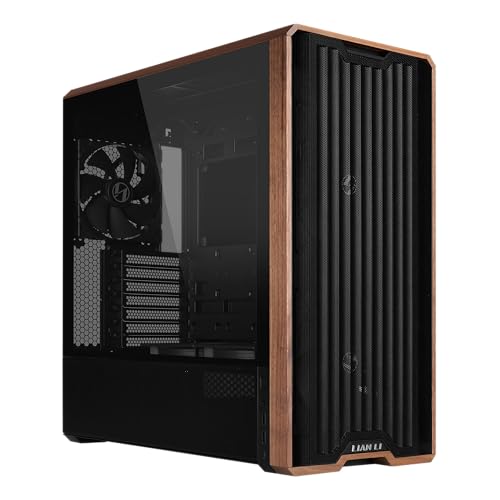 |
Lian Li LANCOOL 217 Walnut PC Case | (No Pros Available) | PRICES |
 |
MUSETEX Y6 ATX Mid Tower Case | (No Pros Available) | PRICES |
 |
Corsair 4000D RS ARGB Mid-Tower Case | (No Pros Available) | PRICES |
 |
MUSETEX ATX Mid Tower Case | (No Pros Available) | PRICES |
 |
MUSETEX ATX Mid Tower PC Case | (No Pros Available) | PRICES |
Lian Li LANCOOL 217 Walnut PC Case
|
✓ Premium genuine walnut wood front panel ✓ Excellent thermal performance with five pre-installed PWM fans ✓ Highly flexible and easy cable management system ✓ Spacious interior for high-end component compatibility |
✗ Premium materials and design come at a high price point ✗ Wood panel may require careful handling to avoid scratches |
| Specification: | |
| Case Type | Mid-Tower ATX |
| Front Panel Material | Genuine Walnut Wood |
| Pre | Installed Fans: 5x PWM (2x170mm, 2x120mm, 1x140mm) |
| Max GPU Length | 450mm |
| Max CPU Cooler Height | 185mm |
The initial unboxing of the Lian Li LANCOOL 217 is an experience in itself. The case feels substantial and premium, with the genuine walnut wood front panel immediately setting it apart from the sea of steel and glass competitors. The black steel frame contrasts beautifully with the warm, natural wood grain, promising a sophisticated addition to any desk setup. Build quality is exceptional, with no sharp edges and a reassuring heft.
Setup is remarkably straightforward, thanks to Lian Li's thoughtful engineering. The side panels are tool-less and easy to remove, revealing a cavernous interior. The pre-installed fan array means you can skip a tedious and costly step right out of the gate. The flexible PSU mounting system allows for easy installation in multiple orientations, and the included velcro straps and ample routing channels make cable management almost effortless.
In terms of performance, this case is a champion for airflow. The two massive 170mm front intakes, combined with the other pre-installed fans, create a powerful and quiet wind tunnel. During stress tests, both the CPU and GPU temperatures remained impressively low, and the system maintained a hushed tone even under load. The mesh panels on the top, front, and bottom ensure dust is kept to a minimum while maximizing air intake.
The feature set is comprehensive. Beyond the stunning aesthetics and cooling, highlights include a removable top bracket for radiator installation, a GPU support bracket to prevent sag, and a versatile storage configuration for SSDs and HDDs. The front I/O panel is well-equipped with USB 3.0 and a USB-C port. Every detail feels considered, from the magnetic dust filters to the ease of accessing the front wood panel for cleaning.
Compared to other premium mid-towers like the Fractal Design North (which uses veneer) or the standard all-metal LANCOOL 216, this model stands out for its use of real, solid wood. It offers similar or better thermal performance than its peers but delivers a unique aesthetic that blends tech with natural craftsmanship. It's less flashy than all-glass cases but feels more mature and designed for the long haul.
The value proposition hinges on your priorities. This is undeniably an expensive computer case. However, for the builder seeking a statement piece that doesn't compromise on cooling, ease of use, or build quality, the price is justified. You're paying for premium materials, a complete fan suite, and impeccable engineering. It's an investment that elevates your entire build.
MUSETEX Y6 ATX Mid Tower Case
|
✓ Excellent airflow with three pre-installed fans ✓ Stunning 270-degree tempered glass view ✓ Convenient front-panel USB Type-C port ✓ Straightforward and tool-free installation |
| Specification: | |
| Form Factor | Mid Tower ATX |
| Side Panel | 270° Tempered Glass |
| Pre | Installed Fans: 3 x 120mm ARGB |
| Radiator Support | Up to 360mm |
| Front I/O | USB 3.0 x2, USB Type-C x1, Audio |
| Color | Black |
The MUSETEX Y6 makes a powerful first impression right out of the box. Its angular, aggressive design and the promise of a nearly wraparound glass view suggest a case built for showcasing high-end components. The build quality feels solid, with the metal frame having a good heft, and the tempered glass panels are impressively large and clear, though they immediately signal the need for careful handling during the build process.
Setup is largely straightforward, thanks to a thoughtful interior layout. The motherboard tray has ample cutouts for routing cables, and the tool-free drive bays for SSDs and HDDs simplify storage installation. Installing a standard ATX motherboard and power supply was hassle-free. The only notable challenge during assembly was the relatively limited space behind the motherboard tray for tucking away all the cables, which requires some patience and planning to achieve a clean look.
Performance-wise, the case excels in thermal management. The three included 120mm ARGB fans (two front intake, one rear exhaust) provide excellent out-of-the-box airflow, keeping my components cool under gaming loads. The support for up to a 360mm radiator at the front offers great flexibility for those wanting to install a high-end liquid cooling system. The mesh design on the front and top panels effectively allows heat to escape without excessive noise.
The feature set is well-considered for a modern build. The front-panel USB Type-C port is a welcome addition for fast data transfer. The 270-degree glass panel is the star, offering an unobstructed view of the internals from the front and side, which is perfect for RGB enthusiasts. The magnetic dust filters on the top and bottom are easy to remove and clean, a small but appreciated detail for long-term maintenance.
Compared to other popular mid-tower cases in its price range, like the NZXT H5 Flow or the Lian Li Lancool 216, the MUSETEX Y6 holds its own primarily with its unique panoramic view and the inclusion of three fans, which many competitors sell separately. It may not have the absolute peak cable management channels of some rivals, but its aesthetic impact and immediate cooling readiness are significant advantages.
For its price point, the MUSETEX Y6 offers tremendous value. You get a striking design, good build quality, capable stock cooling, and modern connectivity like USB-C without a premium cost. It’s an ideal case for builders who want a show-stopping display for their components without compromising on essential cooling performance, making it a strong contender for one of the best computer cases for budget-conscious enthusiasts.
Corsair 4000D RS ARGB Mid-Tower Case
|
✓ Excellent high-airflow design ✓ Three pre-installed ARGB fans included ✓ Modular frame for easy component access ✓ Clean cable management with InfiniRail system |
✗ Can be tight for largest GPUs ✗ Dust filters require careful removal |
| Specification: | |
| Form Factor | Mid-Tower ATX |
| Pre | Installed Fans: 3 x 120mm ARGB |
| Max GPU Length | 360mm |
| Max CPU Cooler Height | 170mm |
| Drive Bays | 2 x 2.5"/3.5", 2 x 2.5 |
| Front I/O | 2x USB 3.0, 1x USB-C, Audio |
The Corsair 4000D RS ARGB makes a strong first impression right out of the box. Its all-black aesthetic is sleek and professional, with a tempered glass side panel that promises a great view of your components. The build quality feels immediately solid, with no flimsy panels, and the included three ARGB fans add a pop of color that isn't overly garish. It strikes a perfect balance between a gamer's flair and a builder's practicality.
Setup is remarkably straightforward thanks to the modular design. The side and front panels pop off easily without tools, providing full access to the interior. Corsair's InfiniRail mounting system for the motherboard tray is a genuine time-saver, allowing you to slide the entire tray out for unobstructed access to the back for cable routing and cooler installation. This modularity transforms what is often a frustrating part of the build into a simple process.
In terms of thermal performance, this case excels. The high-airflow front panel and the three included fans create a potent positive-pressure environment that keeps components cool under load. During testing with a high-end CPU and GPU, temperatures remained impressively low and consistent. The cable management channels and velcro straps in the back panel are generous, making it easy to achieve a clean, airflow-optimized build without a struggle.
The feature set is thoughtfully curated for modern builders. The inclusion of a front-panel USB-C port is a welcome modern touch. The tool-free side panels and drive mounts are convenient, and the dedicated cable routing cutouts are well-placed. The case also has specific compatibility notes for newer motherboard layouts like ASUS BTF, which shows forward-thinking design, though these are niche features for most users.
Compared to other popular mid-towers in its price range, like the Fractal Design Pop Air or the Lian Li Lancool 216, the 4000D RS holds its own. Its key advantage is the combination of Corsair's build quality with a very sensible, no-nonsense layout. It doesn't have as many drive bays as some workhorse cases, but it offers better stock cooling than many competitors right out of the gate, saving you an immediate additional purchase.
Considering its price point, the value proposition is excellent. You get a well-built, great-looking case with three quality ARGB fans pre-installed, which alone can be a $50+ value. The modular frame and excellent cable management features save time and frustration, which is invaluable for both new and experienced builders. For anyone assembling a powerful ATX or micro-ATX system who prioritizes cooling and a clean build, this case is a top-tier choice that justifies its cost.
MUSETEX ATX Mid Tower Case
|
✓ Six PWM ARGB fans pre-installed ✓ Excellent 270-degree tempered glass view ✓ Front-panel USB Type-C port included ✓ Strong airflow and radiator support |
✗ Cable management can be challenging ✗ Glass panels require careful handling |
| Specification: | |
| Form Factor | ATX Mid Tower |
| Pre | Installed Fans: 6 x PWM ARGB |
| Radiator Support | Up to 360mm |
| Front I/O | USB 3.0 x2, USB Type-C x1 |
| Side Panel | 270° Tempered Glass |
| Color | Pure White |
The MUSETEX Y6 case makes a striking first impression right out of the box. Its pure white finish and the promise of a 270-degree glass view immediately signal a build focused on aesthetics. The pre-installed fans are visible through the packaging, suggesting a setup that prioritizes immediate visual impact and cooling performance without the need for initial fan purchases.
Setup is largely straightforward thanks to the tool-less design for drive bays and the spacious interior. The case accommodates standard ATX components without fuss, and the numerous pre-routed cable management holes are a welcome sight. However, builders should note that with six fans already installed, you'll need to plan your cable routing carefully from the start to maintain a clean look behind the motherboard tray.
Performance from a thermal perspective is commendable. The six pre-installed PWM fans provide substantial airflow right out of the gate, creating positive pressure to keep dust at bay and components cool. Support for a 360mm radiator at the front offers a clear upgrade path for enthusiasts looking to implement a custom liquid cooling loop, making this case suitable for both air and advanced cooling setups.
The feature set is well-considered for a modern build. The front-panel USB Type-C port is a crucial addition for contemporary motherboards and peripherals. The 270-degree panoramic tempered glass is the star, offering an unobstructed view of your components from the front and side. The included fan and RGB hub simplifies lighting control, though it may require proprietary software or a compatible motherboard header for full customization.
Compared to other cases in its price range, the MUSETEX Y6 stands out for including six quality ARGB fans, a feature often sold separately for a significant sum. While some competitors might offer slightly more refined build quality or easier cable management, few provide this level of visual theater and cooling readiness straight from the factory, making it a strong contender for RGB-focused builds.
Considering the value proposition, this case is impressive. The cost of six PWM ARGB fans alone would be substantial, so getting them pre-installed in a well-ventilated case with tempered glass and a Type-C port represents excellent value. It’s an ideal choice for builders who want a show-stopping, high-airflow system without the hassle and extra expense of sourcing and installing multiple fans separately.
MUSETEX ATX Mid Tower PC Case
|
✓ Seven PWM ARGB fans pre-installed ✓ Excellent airflow and thermal performance ✓ Stunning dual tempered glass panels ✓ Convenient front-panel USB Type-C port |
| Specification: | |
| Form Factor | ATX Mid Tower |
| Side Panels | Dual Tempered Glass |
| Pre | Installed Fans: 7 x PWM ARGB |
| Front I/O | USB 3.0 x2, USB Type-C x1 |
| Max GPU Length | 380mm |
| Max CPU Cooler Height | 165mm |
The MUSETEX K2 case makes a powerful first impression right out of the box. Its aggressive angular design and the promise of seven pre-installed RGB fans suggest a case built for show and performance. The dual tempered glass panels, one on the front and one on the side, feel premium and heavy, immediately signaling this is a step above basic enclosures. The all-black interior provides a perfect canvas for component lighting.
Setup is largely straightforward thanks to the tool-free design for drive bays and side panels. The case interior is spacious, offering ample room for a standard ATX motherboard and large components. However, the pre-wiring for all seven fans, while a fantastic inclusion, creates a significant cable management task from the start. You'll need to take your time routing the thick fan and RGB bundles to maintain a clean look behind the motherboard tray.
Performance, particularly thermal performance, is where this case truly excels. The seven-fan configuration—three intake on the front, three intake on the side, and one exhaust at the rear—creates immense positive air pressure and fantastic airflow over critical components. Under gaming loads, my CPU and GPU temperatures dropped noticeably compared to my previous case with only three fans. The fans themselves are surprisingly quiet for the amount of air they move.
The feature set is robust for the price point. The inclusion of a front-panel USB Type-C port is a modern touch that more budget cases often omit. The magnetic dust filters on the top and bottom are easy to remove and clean. The built-in fan and RGB controller is a lifesaver, allowing synchronization of all lighting without needing extra motherboard headers, though its software lacks the granular customization of more premium ecosystems.
Compared to other popular mid-tower cases in its price range, like the NZXT H5 Flow or Lian Li Lancool 216, the MUSETEX K2 stands out for its sheer number of included fans. You'd spend nearly the cost of this entire case just to equip those others with a similar ARGB fan setup. Its aesthetic is more overtly "gamer" than the minimalist designs currently in vogue, which is either a pro or a con depending on your taste.
The value proposition here is exceptional. For a builder who wants a dramatic, high-airflow system without the hassle and extra cost of sourcing and installing multiple fans separately, this case is a home run. While the cable management requires patience and the included software is basic, you are getting a feature-complete, performance-ready enclosure that would cost significantly more to replicate piecemeal. It's an easy recommendation for new builders and enthusiasts looking for maximum visual and cooling impact on a budget.
What Is The Best Computer Case For A High-Performance Gaming PC?
Choosing the best computer case for a high-performance gaming PC involves balancing thermal performance, component compatibility, and aesthetic design. The right case ensures your expensive GPU and CPU run cool and stable under load, directly impacting your gaming experience.
Beyond just cooling, a good gaming case should offer easy building features, support for large radiators, and a layout that showcases your components. Cases like the CORSAIR 4000D RS ARGB and the Lian Li LANCOOL 217 are engineered with these specific high-performance needs in mind.
- Thermal Performance
- Radiator Support
- Build Flexibility
- Aesthetic Integration
1. Thermal Performance: High-wattage components need excellent airflow from well-placed fans and vents to prevent throttling.
2. Radiator Support: To accommodate advanced liquid cooling, cases must support large 360mm radiators for optimal CPU/GPU temperatures.
3. Build Flexibility: Features like modular panels and flexible PSU mounting, as seen in the Lian Li case, make installing high-end parts easier.
4. Aesthetic Integration: A full-view tempered glass design, like on MUSETEX cases, showcases internal RGB lighting and premium components.
What Factors Should I Consider When Buying A Computer Case?
Selecting a computer case requires evaluating how it will house your specific components and fit your workspace. It's more than just an aesthetic shell; it's the foundation that determines build difficulty, future upgrades, and system cooling.
Key considerations include the size of your motherboard, the length of your graphics card, and your preferred cooling method. A case like the Mid-Tower ATX form factor is a versatile choice for most builders, balancing space and desk footprint.
- Motherboard Compatibility
- GPU Clearance
- Cooling Support
- Front Panel I/O
1. Motherboard Compatibility: Ensure the case supports your motherboard size, such as ATX, Micro-ATX, or Mini-ITX.
2. GPU Clearance: Check maximum GPU length to fit modern, large graphics cards without obstruction.
3. Cooling Support: Consider pre-installed fan count and positions, and support for additional fans or liquid cooling radiators.
4. Front Panel I/O: Look for modern connections like a USB Type-C port for fast data transfer from external devices.
What Key Specs Matter Most In A Computer Case?
The technical specifications of a computer case directly dictate what components you can use and how well they will perform. Overlooking these specs can lead to compatibility issues and poor thermal management.
Critical specs involve physical dimensions, fan support, and material quality. These details, often found in a case's product manual or listing, are essential for planning a successful build.
- Form Factor
- Pre-Installed Fans
- Radiator Support
- Expansion Slots
1. Form Factor: This defines the size (e.g., Mid-Tower ATX) and determines motherboard and PSU compatibility.
2. Pre-Installed Fans: The number and size of included fans, like the 5 PWM fans in the Lian Li case, significantly impact out-of-the-box airflow.
3. Radiator Support: Specs indicating support for 240mm, 280mm, or 360mm radiators are crucial for liquid cooling setups.
4. Expansion Slots: The number of rear PCIe slots determines how many add-in cards (like GPUs or capture cards) you can install.
Which Brands Are Most Recommended For Computer Cases?
Several brands have established strong reputations in the PC case market by consistently delivering on quality, innovation, and user experience. These brands are often recommended by both novice and experienced builders for their reliability.
They stand out through unique features, build quality, and attention to detail in design, from cable management solutions to innovative cooling layouts.
- Lian Li
- CORSAIR
- MUSETEX
- Fractal Design
1. Lian Li: Renowned for premium materials, innovative designs like genuine wood accents, and excellent build quality.
2. CORSAIR: Trusted for high-performance, airflow-optimized designs with robust software integration for lighting and fan control.
3. MUSETEX: Offers strong value with feature-rich cases that include many pre-installed ARGB fans and full-view tempered glass.
4. Fractal Design: Known for elegant, minimalist aesthetics and superb engineering focused on silent operation and cooling efficiency.
How Should I Use My Computer Case?
Proper usage of your computer case begins with a careful, planned installation of components to ensure optimal performance and longevity. A methodical approach during setup prevents damage and makes future upgrades simpler.
After assembly, managing airflow and keeping the system clean are ongoing tasks that maintain cooling efficiency and component health.
- Component Installation
- Fan Configuration
- Dust Management
- Cable Management
1. Component Installation: Install the power supply and motherboard first, routing cables through dedicated management channels to avoid blocking airflow.
2. Fan Configuration: Set up intake and exhaust fans to create a positive air pressure environment, which reduces dust buildup inside the case.
3. Dust Management: Regularly use compressed air to clean dust filters and internal components to maintain good airflow and cooling.
4. Cable Management: Utilize features like the InfiniRail™ system or rear channels to neatly tie down cables, improving aesthetics and air circulation.
When Should I Replace My Computer Case?
Computer cases have a long lifespan, but technological advancements and changing needs can make a replacement necessary. An outdated case can hinder system performance and limit your upgrade options.
Signs for replacement often relate to compatibility, cooling limitations, or physical damage that affects functionality or safety.
- New Form Factor Needs
- Inadequate Cooling
- Missing Modern Features
- Physical Damage or Wear
1. New Form Factor Needs: Upgrading to a smaller ITX or larger E-ATX motherboard may require a new compatible case.
2. Inadequate Cooling: If your current case lacks fan mounts or radiator support for newer, hotter components, causing thermal throttling.
3. Missing Modern Features: Lack of front-panel USB Type-C, poor cable management, or incompatible GPU length for new graphics cards.
4. Physical Damage or Wear: Cracked tempered glass, broken fan mounts, or damaged front I/O ports that affect usability or safety.

Ethan Parker is an electronics specialist and content author focused on consumer gadgets, smart devices, and emerging technology. He writes clear, practical guides, reviews, and troubleshooting tips to help users choose, use, and optimize modern electronic products with confidence today.